Why Breastfeeding During Confinement Matters More Than You Think
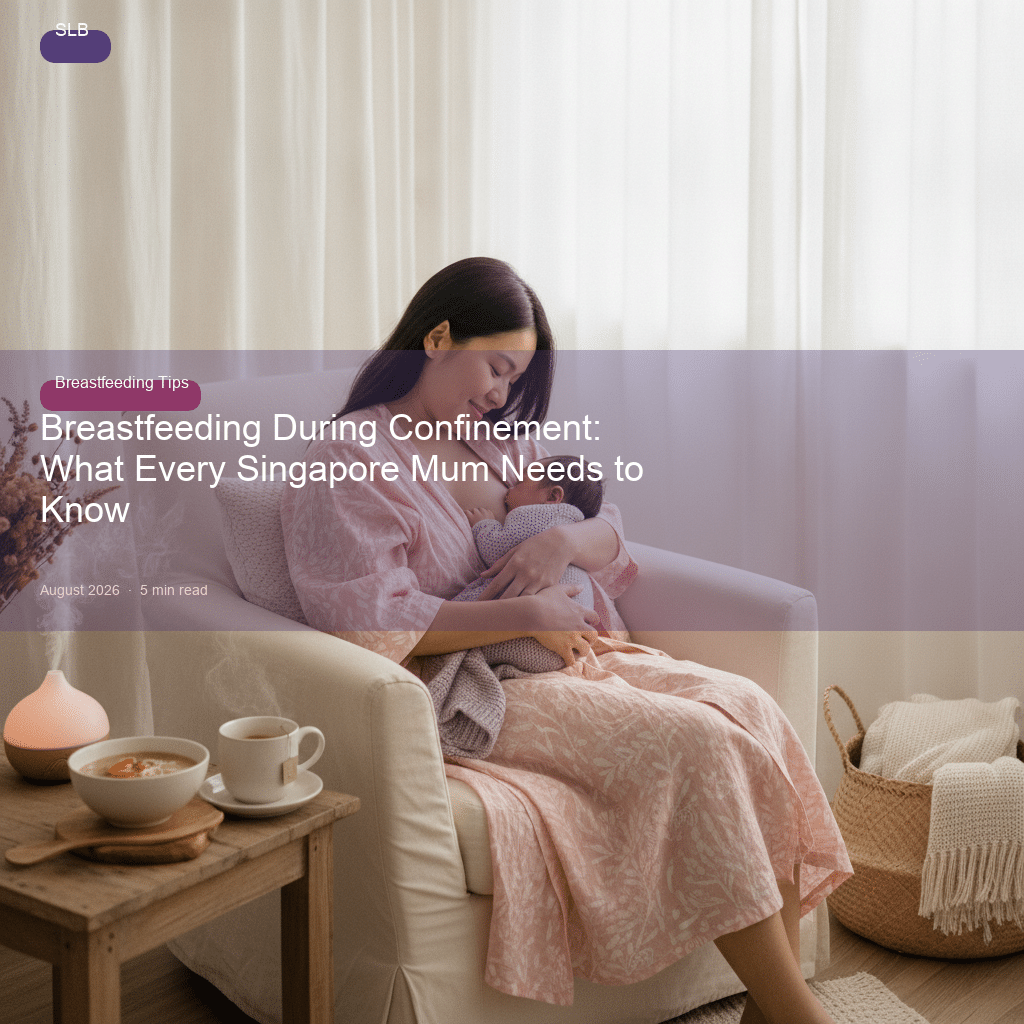
The first few weeks after birth are precious. They are also overwhelming, emotional, and exhausting. If you are a Singapore mum going through your confinement period, you are likely trying to balance a lot at once — recovering from birth, learning to feed your baby, and navigating the expectations of family, culture, and perhaps a confinement nanny too.
Here is something worth knowing early. Breastfeeding during confinement is not just possible. It is one of the best things you can do for your supply in the long run. The first four to six weeks postpartum are the window where your body learns how much milk to make. What happens during this time shapes your entire breastfeeding journey. And that window overlaps almost exactly with your confinement month.
This guide is written for Singapore mums specifically. Whether you follow Chinese 坐月子 (zuo yue zi) traditions, Malay pantang practices, or Indian pathiya saapadu customs, there is a way to honour what matters to you and still give breastfeeding a strong start. According to the WHO breastfeeding guidelines, exclusive breastfeeding for the first six months gives babies the best possible foundation. Your confinement month is where that foundation begins.
Confinement Traditions Across Singapore’s Communities
Singapore is beautifully multicultural, and each community brings its own wisdom to the postpartum period. Understanding your own tradition — and where it might intersect with breastfeeding — helps you make informed choices without feeling like you have to abandon what your family has practised for generations.
Chinese Confinement (坐月子)
Chinese confinement typically lasts 28 to 40 days. It emphasises warmth, rest, and restorative foods like sesame oil chicken, fish soups, dang gui herbal broths, and red date tea. Plain water is sometimes restricted out of concern for “wind” or water retention. The focus on warming, nourishing foods is genuinely supportive of recovery and breastfeeding. The fluid restriction, however, is where things can get complicated.
Malay Pantang
Malay pantang traditions also centre on warmth and rest. Herbs like fenugreek (known locally as halba) are commonly used and are traditionally valued for supporting milk production. Warm herbal drinks, massages, and specific dietary rules all form part of the postpartum experience. Many of these practices align beautifully with breastfeeding.
Indian Pathiya Saapadu
Indian confinement diets focus on easily digestible, warming foods. Fenugreek seeds appear here too, often in soups or warm drinks. Garlic, cumin, and ginger are commonly used. The emphasis on warm, nourishing meals makes this tradition naturally supportive of a breastfeeding mother’s nutritional needs.
The Fluid Dilemma: Staying Hydrated During Confinement
This is one of the most common concerns we hear from Chinese Singapore mums. Your confinement nanny says limit plain water. Your body — especially while breastfeeding — needs roughly 2.5 to 3 litres of fluid every single day.
The good news is that you do not have to choose between tradition and hydration. Warm fluids count. Red date tea, longan water, fish soups, herbal broths, and warm barley water all contribute to your daily fluid intake. Sip warm drinks throughout the day rather than gulping cold water, and you can stay well hydrated in a way that still feels confinement-appropriate.
If you feel thirsty, that is already a sign you need more fluid. Dehydration can affect how you feel, how you recover, and how your body supports milk production. Do not wait until you feel parched to drink something.
Confinement Foods That Support Your Breastfeeding Journey
Many traditional confinement foods are genuinely nourishing for breastfeeding mothers. Here are some of the most common ones you will likely encounter during your confinement month and why they can be a good thing.
- Green papaya soup — a traditional galactagogue used across Chinese and Southeast Asian cultures. Mild, easy to eat, and hydrating.
- Fenugreek (halba/methi) — widely used in Malay and Indian traditions. It is one of the more studied traditional herbs in relation to breastfeeding support.
- Fish soups with ginger — protein-rich, warming, and hydrating. A wonderful regular confinement meal for breastfeeding mums.
- Sesame oil chicken — a classic Chinese confinement dish. Sesame oil provides healthy fats and the warmth many mums crave postpartum.
- Red dates, longan, and black bean soup — good sources of iron and energy, which matter a lot in recovery.
- Dang gui (当归) soups — generally considered safe in culinary amounts during breastfeeding. Worth checking with your doctor if you have concerns.
- Oats — not a traditional confinement food but increasingly popular among Singapore mums. Oats are wholesome, filling, and a staple ingredient in many lactation-supportive snacks.
Speaking of oats, many Singapore mums find that adding a nourishing snack into their confinement routine helps them meet the extra 400 to 500 calories a day that breastfeeding requires. Our SLB lactation bakes are made with wholesome ingredients like oats, brewer’s yeast, and flaxseed — ingredients that complement your confinement meals rather than replace them. Many confinement nannies have come to love recommending them as a convenient snack option between meals.
Foods and Practices to Be Mindful Of
Not everything in the confinement kitchen is breastfeeding-friendly in large amounts. Here are a few things worth being aware of.
Alcohol in Herbal Soups and Dom Benedictine
Dom Benedictine (香草酒) is popular in Singapore Chinese confinement cooking and has a warm, herbal flavour that many mums enjoy. However, alcohol does pass into breast milk. If dishes are cooked with alcohol, make sure it has been fully cooked off before eating. Have an honest conversation with your confinement nanny about this if breastfeeding is important to you.
Very Restrictive Diets
Some traditional practices eliminate entire food groups or significantly limit caloric intake. While the intention is always good, your body needs fuel to make milk and recover from birth. If your diet is leaving you feeling depleted, it is worth speaking to someone you trust — whether that is your doctor, a dietitian, or one of our IBCLC-certified team members who understand both the cultural context and the breastfeeding science.
Excessive “Heaty” Foods
Anecdotally, some mums find that very large amounts of ginger or other heaty foods seem to cause nipple sensitivity or infant fussiness. Clinical evidence on this is limited, but if you notice a pattern, it is worth adjusting and seeing if things improve.
Confinement Breastfeeding Tips Singapore Mums Swear By
These are the practical things that make a real difference during your confinement month.
- Feed on demand, not on a fixed schedule. This is the single most important thing you can do. Your body makes milk based on how often it is asked to. Restricting feeds to fit a confinement schedule can quietly reduce your supply without you realising it until weeks later.
- Rest as much as you can. The hormone that drives milk production surges during sleep. Sleep when your baby sleeps. Let the housework wait. Your confinement period exists to protect your rest — use it.
- Sip warm fluids all day long. Keep a flask of red date tea or warm soup nearby. Make hydration easy and habitual.
- Eat enough. Breastfeeding uses real energy. Aim for regular, nourishing meals and do not skip snacks.
- Let your confinement nanny know your breastfeeding goals before she starts. This one conversation can prevent a lot of well-meaning but unhelpful advice down the track.
Talking to Your Confinement Nanny About Breastfeeding
Many confinement nannies in Singapore are wonderful, experienced women who genuinely want to help you thrive. And many of them have their own strong views about newborn feeding that were formed a generation ago.
The best time to talk is before she arrives. Let her know that breastfeeding is important to you. Ask her how she has supported breastfeeding mums in the past. Be clear about on-demand feeding. Share resources if it helps. Most nannies are open to learning when the conversation comes from a place of respect rather than confrontation.
If you encounter advice that feels at odds with breastfeeding — like being told not to feed at night, or that your baby needs supplementing — please reach out for proper support before making any changes. Our lactation consultants are here to help you work through exactly these situations.
What to Do If You Are Worried About Your Milk Supply
It is incredibly common to feel unsure during the first few weeks. You cannot see how much milk your baby is getting. Your breasts may feel soft after the initial engorgement settles. Your baby may be feeding constantly. All of this can feel alarming when you are exhausted and hormonally all over the place.
Most of the time, things are going well. The signs to look for are your baby having enough wet nappies (around six or more per day after day five), gaining weight steadily, and seeming settled after feeds.
If you do have genuine concerns, early support makes a big difference. Reach out to an IBCLC, connect with a local breastfeeding support group, or explore the breastfeeding resources on our site. The NHS breastfeeding advice also has clear, practical guidance on understanding your supply and what is normal in the early weeks.
Frequently Asked Questions
Can I drink plain water during confinement if I am breastfeeding?
Yes. Staying hydrated is essential for breastfeeding. If your tradition discourages plain cold water, opt for warm fluids like red date tea, herbal soups, or warm water. The key is to drink enough throughout the day.
Is it safe to eat confinement herbal soups while breastfeeding?
Most confinement herbal soups are safe in culinary amounts. If a soup contains alcohol or you are unsure about a specific herb, check with your doctor or an IBCLC.
Can I eat Dom Benedictine dishes while breastfeeding?
In small amounts where the alcohol has been fully cooked off, it is generally considered lower risk. If you are concerned, ask your confinement nanny to cook the alcohol off thoroughly or to prepare your portions separately.
My confinement nanny says I should not breastfeed at night. Is this true?
Night feeds are important, especially in the early weeks. Prolactin levels are higher at night, which means night feeding actively supports your milk supply. Skipping night feeds regularly can reduce supply over time. Please speak to a lactation consultant if you are being pressured to drop night feeds.
Is fenugreek safe during confinement and breastfeeding?
Fenugreek is widely used in Malay and Indian confinement traditions and is generally considered safe in food amounts. If you have concerns or underlying health conditions, check with your doctor first.
What should I eat during confinement to support my breastfeeding journey?
Focus on regular, nourishing meals with good protein sources like fish, eggs, and tofu, plenty of warm fluids, and wholesome snacks throughout the day. Traditional confinement foods like papaya soup, fish broth, and fenugreek-based dishes can all be part of a diet that supports your body during this time.
Your confinement month is a gift. It is time carved out for you to rest, heal, and bond with your baby. With a little preparation and the right support, it can also be one of the best things for your breastfeeding journey. You do not have to choose between your culture and your milk supply. You can have both.