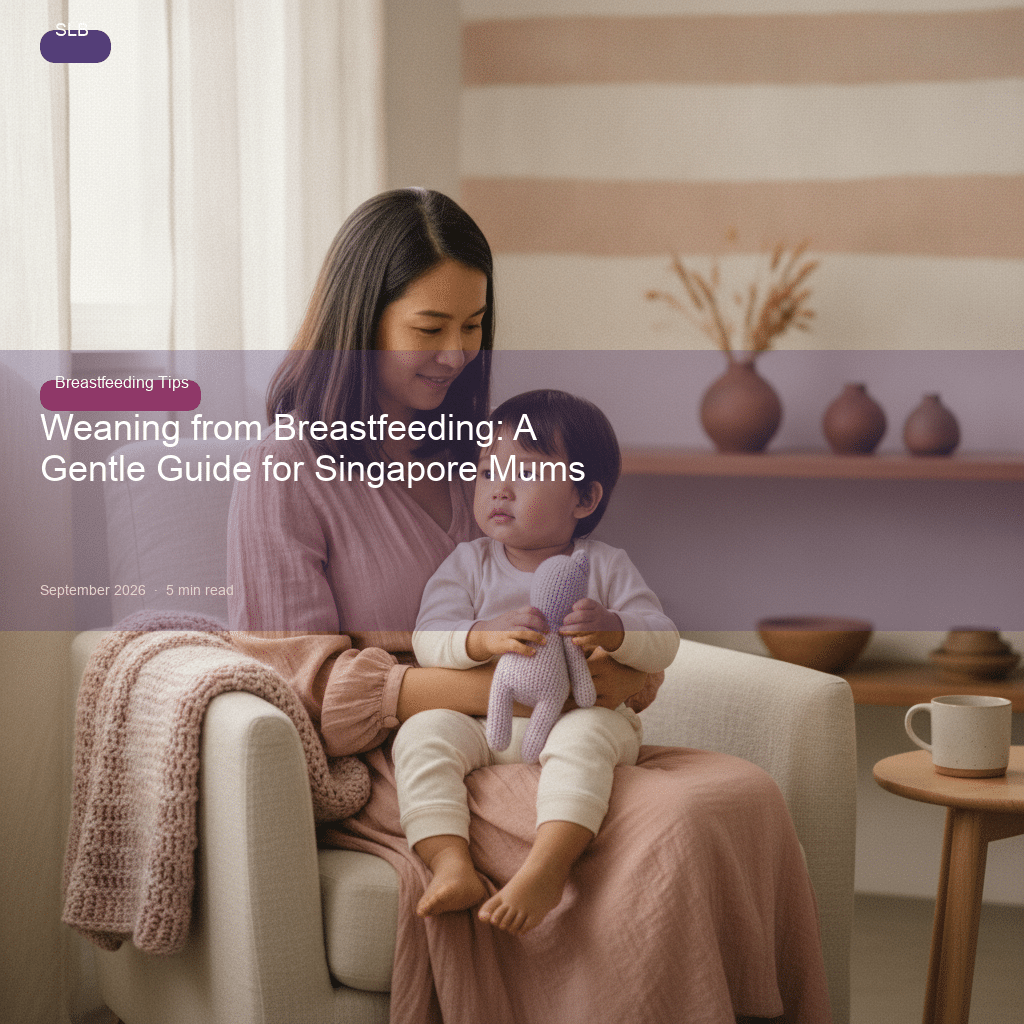
Weaning from Breastfeeding: What Nobody Tells You First
Weaning from breastfeeding is one of those milestones that sneaks up on you. One day you are settling into your nursing rhythm. The next, you are wondering if it is time to stop, or feeling the pressure from someone around you to make a decision before you feel ready.
First, take a breath. There is no single right time. There is no perfect method. What matters most is finding an approach that feels gentle and manageable for you and your baby. This guide is here to help you do exactly that.
What Does Weaning Actually Mean?
Weaning simply means gradually reducing breastfeeding until it stops. It does not have to be all-or-nothing. Many mums wean partially first, keeping one or two feeds a day for comfort and connection. Others wean fully when the time feels right for their family.
There are a few different ways weaning happens:
- Baby-led weaning — your baby naturally loses interest over time as they eat more solid foods
- Mother-led weaning — you decide to gradually reduce feeds, often due to returning to work, personal health, or family circumstances
- Gradual weaning — feeds are reduced slowly over weeks or months, which is the gentlest approach for both of you
- Partial weaning — you keep some feeds, like the morning or bedtime feed, while dropping others
The WHO breastfeeding guidelines recommend breastfeeding up to two years and beyond if both mum and baby wish to continue. But they also recognise that weaning is a personal decision. Whenever you do it, your breastfeeding journey is something to be proud of.
When Is the Right Time to Start Weaning from Breastfeeding?
There is no one-size-fits-all answer. Some babies show signs of readiness at around 12 months. Others happily nurse into their toddler years. Some mums feel ready before their baby does, and that is completely okay too.
Signs your baby may be ready
- They are eating a good variety of solid foods and drinking well from a cup
- They are easily distracted during feeds and lose interest quickly
- They go longer stretches without asking to nurse
- They are finding other ways to self-soothe or seek comfort
Signs you may be ready
- You are returning to work and finding nursing difficult to maintain
- You feel touched out or emotionally ready to have your body back
- You have nursed as long as you intended and feel at peace with stopping
- Health or personal reasons are making breastfeeding harder to continue
In Singapore, many mums begin thinking about weaning around the time maternity leave ends at 16 weeks, or when their baby starts infant care. Others wean closer to 12 or 18 months. There is a wide range of normal here, and our IBCLC-certified team is always here if you need personal guidance on timing.
Gentle Weaning Tips: A Step-by-Step Approach
Gradual weaning is widely considered the kindest approach for both mum and baby. It gives your body time to reduce milk production slowly, which helps avoid engorgement and discomfort. It also gives your baby time to adjust emotionally.
Step 1: Drop one feed at a time
Start with the feed your baby is least attached to. For most babies, this is a mid-morning or early afternoon feed. Keep the morning and bedtime feeds for last, as these tend to be the most emotionally significant for both of you.
Step 2: Try the “don’t offer, don’t refuse” approach
This is a classic gentle weaning method loved by lactation consultants everywhere. You simply stop initiating feeds but still offer to nurse if your baby asks. Over time, baby naturally asks less often.
Step 3: Shorten feeds before stopping them
If your baby is used to long nursing sessions, try gently shortening the time before dropping the feed completely. This helps your body adjust supply gradually without the shock of a sudden stop.
Step 4: Replace feeds with connection, not just food
Nursing is not only about milk. It is warmth, closeness, and comfort. When you drop a feed, replace it with extra cuddles, a favourite book, or a warm cup of age-appropriate milk served with a straw or open cup. Skin-to-skin time still counts, even without nursing.
Step 5: Use distraction lovingly
For toddlers especially, distraction works well. Plan an outing or an engaging activity during times your little one usually asks to nurse. A trip to the playground or a fun craft session can work wonders.
Step 6: Be patient with the bedtime and morning feeds
These are often the last feeds to go and can take the most time. That is completely normal. Some mums keep one of these feeds going for months after dropping all others. Do what feels right for your family.
Night Weaning vs Full Weaning
Night weaning is a popular middle step for many Singapore mums, especially those who are back at work but still want to protect the daytime nursing relationship.
Night weaning means gently reducing or stopping overnight feeds while continuing to nurse during the day. It can help everyone sleep better and is a softer transition than full weaning. If your baby is over 12 months and eating well, night weaning is usually a reasonable and gentle step to take.
Some families find that once night feeds stop, daytime feeds naturally reduce on their own over a few weeks.
Managing Engorgement and Physical Discomfort
One of the most practical concerns about weaning from breastfeeding is how your body will respond. If weaning is too fast, your breasts can become engorged, hard, and painful. In some cases, this leads to blocked ducts or mastitis.
Here are some ways to stay comfortable:
- Express only enough to relieve pressure, not to fully empty. Fully emptying tells your body to keep producing the same amount.
- Cold cabbage leaf compresses are a well-known home remedy that many Singapore mums swear by for soothing engorgement.
- Cold packs or a cool flannel can ease discomfort between feeds.
- Wear a well-fitting, supportive bra that is not too tight, as pressure can cause blocked ducts.
- If you develop a fever, hard red patches, or flu-like symptoms, see a doctor promptly. These can be signs of mastitis.
Some mums also find that gradually reducing their lactation cookies Singapore intake as they wean helps their body ease down supply more comfortably, rather than stopping suddenly. It is a small, natural way to work with your body during the transition.
The Emotional Side of Weaning: It Is Okay to Feel All of It
Nobody talks about this enough. Weaning can bring up a wave of unexpected emotions. You might feel relieved and also sad. You might grieve the closeness of nursing even when you know it was the right time to stop. You might feel proud of how far you came, and also a little lost.
This is real, and it is hormonal too. When breastfeeding stops, your prolactin and oxytocin levels drop. These are the hormones that make you feel calm, bonded, and nurturing. As they fall, it is common to experience mood dips, anxiety, or tearfulness in the days or weeks after weaning.
This is sometimes called post-weaning depression, and it is more common than most people realise. If the feelings are intense or last more than a couple of weeks, please reach out to your doctor or a mental health professional. You do not have to manage it alone.
In the meantime, be gentle with yourself. Rest where you can. Stay connected to people who support you. And know that what you feel is valid, whatever it is.
Weaning and Solid Foods: Building the Next Chapter
Weaning does not mean your baby stops getting great nutrition. It means their world of food is expanding. From around six months, solid foods are introduced alongside breastfeeding, and by the time full weaning happens, most babies are eating a wide variety of foods.
Singapore’s rich food culture is actually a wonderful gift here. Congee, soft-cooked vegetables, tofu, eggs, fish, and tropical fruits are all easy starting points. Meals can be shared, textures can be explored, and eating becomes a joyful family experience.
The NHS breastfeeding advice also notes that breast milk continues to offer immune and nutritional benefits well into toddlerhood, so there is no rush to wean before you both feel ready. Every feed still counts.
Weaning When You Return to Work in Singapore
Singapore’s 16-week maternity leave is one of the most common reasons mums begin thinking about weaning earlier than they might otherwise. Returning to work is already a big emotional shift. Adding weaning on top of it can feel overwhelming.
If you are heading back to work and want to continue breastfeeding in some form, partial weaning is a good option. Many mums nurse in the morning before work and again in the evening or at bedtime. This keeps the bond going while fitting around work demands.
If full weaning feels right before or around your return to work, start dropping feeds a few weeks before your first day back. This gives your body and baby time to adjust before the extra stress of a new routine kicks in.
Our breastfeeding tips section has more practical ideas for navigating this transition with less overwhelm.
A Note on Cultural Pressure to Wean
In Singapore, you may hear comments from well-meaning relatives or friends. “Baby so big already, still feeding?” or “Time to stop now, you need to rest.” These comments come from love, but they can sting when you are not ready.
You are the one who knows your baby and your body best. The decision to wean belongs to you and your child, not to anyone else. It is okay to smile, nod, and do exactly what feels right for your family.
Frequently Asked Questions About Weaning from Breastfeeding
How long does weaning take?
It depends on how gradually you go. Some mums wean over a few weeks. Others take several months. The slower you go, the easier it tends to be for everyone.
Can I wean my baby before 12 months?
Yes, but it is worth speaking with a lactation consultant or your paediatrician about complementary nutrition to ensure your baby’s needs are fully met. Every situation is different.
Why do I feel sad after stopping breastfeeding?
Hormonal changes after weaning are real. The drop in prolactin and oxytocin can cause mood shifts. Rest, connection, and time usually help. If symptoms are severe or lasting, please speak with a doctor.
What if my baby refuses food during weaning?
Some resistance to solid foods is normal, especially during times of change. Keep offering a variety of foods without pressure. Mealtimes should stay relaxed and positive. If you are concerned, your paediatrician can help.
Is it okay to wean at two years old?
Absolutely. The WHO supports breastfeeding up to two years and beyond. If nursing still works for your family at that stage, there is no medical reason to stop unless you choose to.
How do I reduce milk supply slowly during weaning?
Drop one feed at a time, express only for comfort, and let your body naturally adjust. Some mums also gradually reduce their intake of lactation-supporting foods over this period. Sage tea and peppermint are traditionally used to help reduce supply, but speak with a lactation consultant before trying any herbal remedies.
Your Journey, Your Timeline
Weaning from breastfeeding is not the end of something. It is a transition into a new kind of closeness with your child. The feeds may stop, but the bond you built through every nursing session stays with both of you.
However you get there, gently and gradually or more quickly out of necessity, you did something remarkable. You showed up for your baby in one of the most nourishing ways possible.
If you are still in the thick of your breastfeeding journey and looking for comfort and nourishment along the way, our SLB lactation bakes are made to support you at every stage. And whenever you have questions, our lactation consultants are just a message away.
You have got this, mama. One feed at a time.